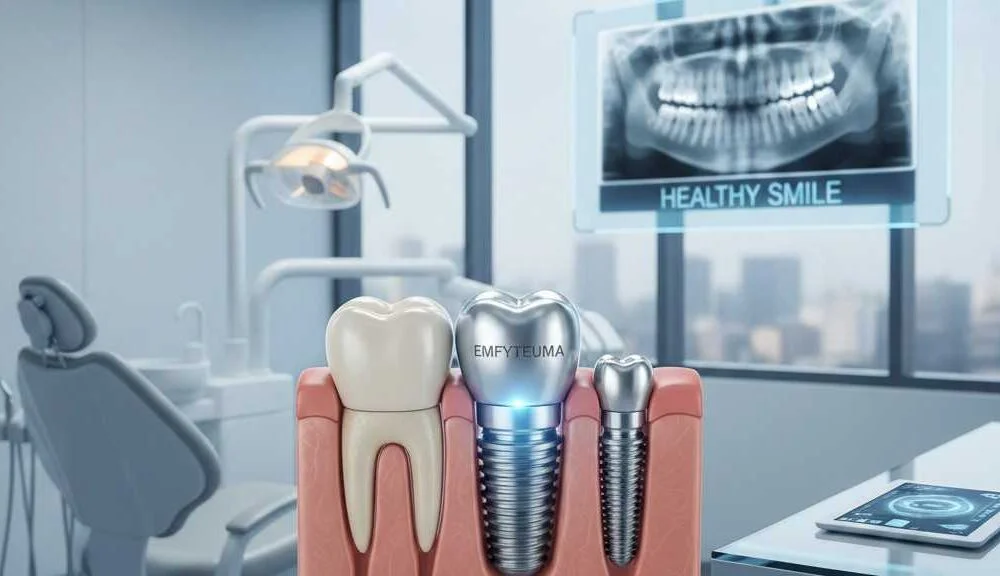
Emfyteymata represents a major step forward in how dentists fix missing or damaged teeth today. Emfyteymata uses special materials and techniques, like implants placed in the jawbone, to act just like real tooth roots. This helps people chew better, speak clearly, and feel good about their smile again. Many choose Emfyteymata because it gives strong, natural results that last for years with the right care.
People lose teeth from injury, decay, or gum issues. Old ways like bridges or removable dentures work, but they can slip or cause bone loss over time. Emfyteymata changes that by bonding directly with the bone for a stable base. This approach makes treatments more reliable and comfortable.
The Background and Origins of Emfyteymata
The idea behind Emfyteymata comes from long-term ways to support and build things that last. In dentistry, it now means using advanced implants and grafts that mimic nature. Early dental fixes used gold or basic metals, but they did not mix well with the body. Over time, experts found materials like titanium that bond safely with bone – a process called osseointegration.
This discovery changed everything. Emfyteymata builds on that by focusing on materials that help the body heal and stay strong. It started as a way to replace single teeth but now helps with full mouth fixes. Dentists use it worldwide because it offers predictable results backed by years of study and real patient success.
How Emfyteymata Works in Dental Treatments
Emfyteymata involves placing a small post, often made of titanium or zirconia, into the jawbone during a simple surgery. Over a few months, the bone grows around it and holds it tight. Then, a connector (abutment) and a custom crown go on top to look and work like a real tooth.
This method stops the jawbone from shrinking, which happens when teeth are missing. It keeps your face shape natural and prevents nearby teeth from shifting. Dentists plan each case with scans and digital tools for exact placement.
Here are the main steps in a typical Emfyteymata treatment:
- Check-up and Planning – The dentist looks at your mouth, takes X-rays or 3D scans, and talks about your health.
- Surgery – Under local anesthesia, the implant post goes into the bone. It takes about an hour for one tooth.
- Healing Time – Bone bonds with the implant in 3-6 months. Some cases allow temporary teeth right away.
- Final Placement – The crown attaches for a full, natural smile.
- Follow-up – Regular visits make sure everything stays healthy.
Types of Emfyteymata Used Today
Dentists pick different Emfyteymata options based on what a patient needs. Here are common types:
- Implant Anchors – Titanium or zirconia posts that replace tooth roots. They support single crowns, bridges, or full sets.
- Bone Graft Materials – Used when bone is thin. These can be synthetic, from donors, or your own body to build up the jaw.
- Soft Tissue Grafts – Help fix gums around implants for better looks and stability.
- Structural Reinforcements – Ceramic or composite parts that support weak teeth during big fixes.
Each type focuses on strength, safety, and blending with your natural mouth.
Key Benefits of Choosing Emfyteymata
Emfyteymata brings many pluses over older options. Patients often say it feels like having real teeth back.
- Improves chewing and eating without worry.
- Stops bone loss and keeps your face looking young.
- Looks natural with custom colors and shapes.
- Lasts decades with good habits – many last 20+ years.
- Boosts confidence and makes speaking easier.
- No need to grind down healthy teeth like with bridges.
Studies show high success rates, often over 95% when done right. It also helps overall health by letting you eat better foods.
For more on how Emfyteymata is changing things, check this detailed guide on Emfyteymata transforming modern dental care.
Who Can Benefit from Emfyteymata?
Most adults with good health and enough bone can get Emfyteymata. It works well for:
- People missing one or more teeth.
- Those unhappy with dentures that slip.
- Patients wanting a permanent fix.
- Cases where bone needs extra support (grafts help here).
A dentist checks bone amount, gums, and habits like smoking first. Even if bone is low, modern ways build it up safely.
Care and Maintenance Tips for Emfyteymata
Good care keeps Emfyteymata strong for a long time. Follow these simple steps:
- Brush twice a day with a soft brush.
- Floss daily around the implant area.
- Use an antibacterial mouthwash.
- Visit your dentist every 6 months for checks and cleanings.
- Avoid hard foods or habits like chewing ice.
- Quit smoking to help healing and longevity.
With these habits, Emfyteymata stays clean and healthy, just like natural teeth.
Advances Shaping the Future of Emfyteymata
New tech makes Emfyteymata even better. 3D scans and computer guides help place implants exactly. Robotic tools add precision. Bioactive surfaces speed up bone bonding. These changes mean shorter healing times and higher success for more people.
Conclusion
Emfyteymata stands out as a smart, reliable way to restore teeth and oral health. It uses biocompatible materials to give strong, natural results that last. From better function to a confident smile, Emfyteymata helps people enjoy life more. With proper care and regular dentist visits, it offers long-term benefits that go beyond looks.