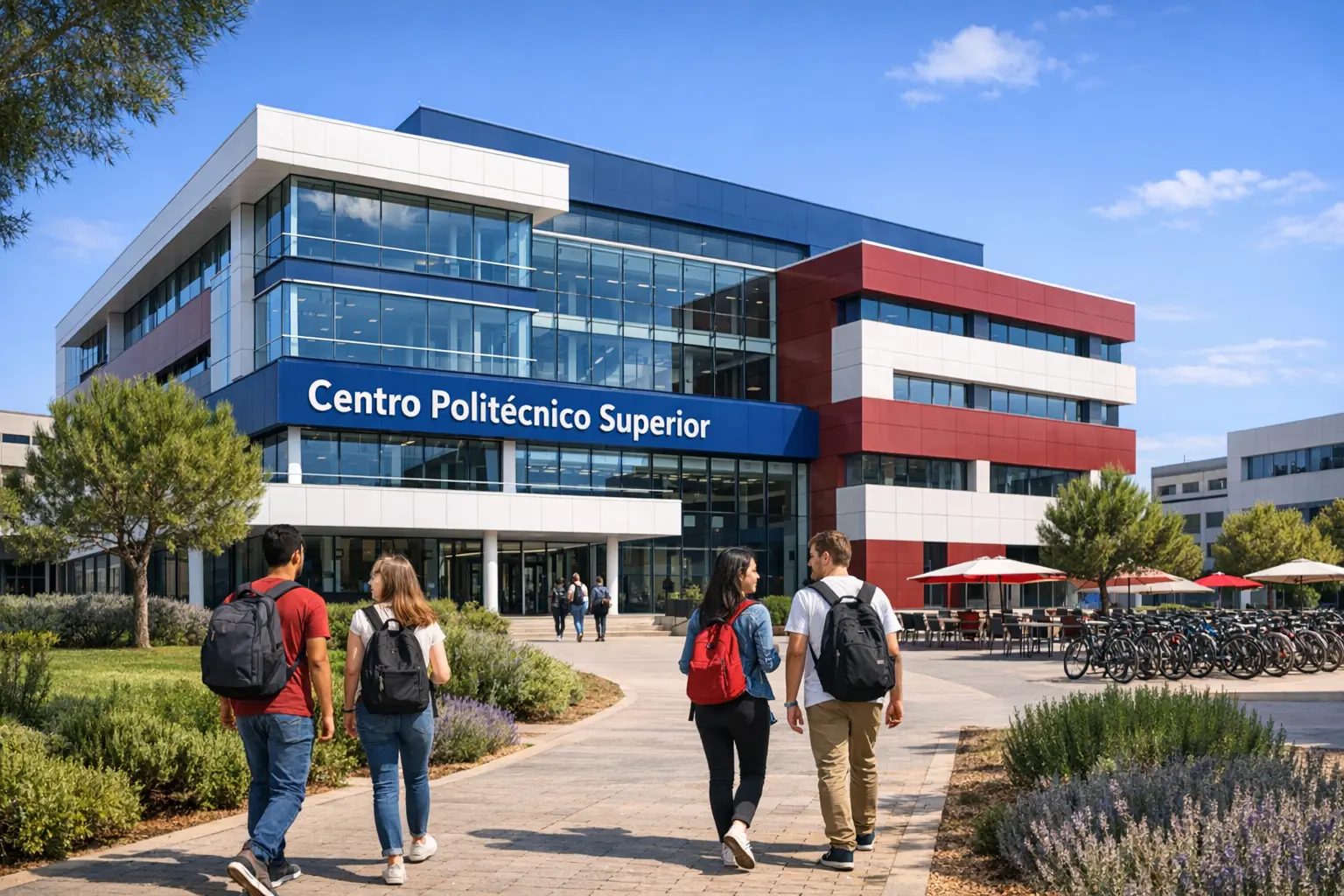
In the heart of Zaragoza, Spain, centro politecnico superior stands as a cornerstone of advanced technical learning. This institution, now known as Escuela de Ingeniería y Arquitectura (EINA), has shaped countless careers in engineering and design. Students here gain skills that drive real change in industries. From its early days to modern times, centro politecnico superior blends tradition with forward-thinking ideas. It helps young minds turn concepts into solutions. If you seek a place where theory meets practice, this is it.
Experts praise centro politecnico superior for its focus on hands-on work. Faculty guide learners through projects that solve everyday problems. The campus buzzes with energy from diverse fields like robotics and renewable energy. This guide dives deep into its story, offerings, and impact. You will find why it ranks among Spain’s top spots for technical studies.
The Rich History of Centro Politecnico Superior
History shapes great institutions. Centro politecnico superior began in the 19th century. A Royal Decree on July 11, 1894, created the School of Arts and Crafts in Zaragoza. This school sat on the ground floor of a building for medicine and sciences. Bruno Solano served as its first director. It aimed to teach practical skills for growing industries.
Time brought changes. On May 10, 1972, the University School of Industrial Technical Engineering opened. Pedro Benito Sainz led it first. This step met the need for trained engineers. Then, on August 9, 1974, Prince Don Juan Carlos approved the Higher Technical School of Industrial Engineers. Manuel Silva Suárez became its first director. These moves built a strong base for technical education.
By summer 1989, it transformed into the Higher Polytechnic Center. This shift united programs under one roof. The name centro politecnico superior reflected its broad scope. It covered engineering, architecture, and more. Over years, it grew with technology. Partnerships with industries kept courses fresh. Today, as EINA, it honors this legacy while adapting to new challenges.
Key milestones mark its path:
- 1894: School of Arts and Crafts starts.
- 1972: University School of Industrial Technical Engineering forms.
- 1974: Higher Technical School of Industrial Engineers begins.
- 1989: Becomes Higher Polytechnic Center, known as centro politecnico superior.
This evolution shows commitment to excellence. It reassures students that roots run deep. For more on educational histories, visit Hiperdex Blog, a resource for insightful reads.
Academic Programs at Centro Politecnico Superior
Programs define an institution’s strength. At centro politecnico superior, now EINA, options span wide. They prepare students for global jobs. Undergraduate degrees build foundations. Master’s levels deepen knowledge. Own studies offer specialized skills.
Start with undergraduate programs. The Grado en Estudios en Arquitectura teaches design basics. Students learn to create sustainable buildings. Grado en Ingeniería Biomédica focuses on health tech. It combines biology and engineering for medical devices.
Other undergrad paths include:
- Grado en Ingeniería de Tecnologías Industriales: Covers manufacturing processes.
- Grado en Ingeniería de Tecnologías de Telecomunicación: Explores communication systems.
- Grado en Ingeniería Eléctrica: Deals with power generation and distribution.
- Grado en Ingeniería Electrónica y Automática: Teaches control systems and automation.
- Grado en Ingeniería en Diseño Industrial y Desarrollo de Producto: Focuses on product creation.
- Grado en Ingeniería Informática: Builds software and computing skills.
- Grado en Ingeniería Mecánica: Handles machines and mechanics.
- Grado en Ingeniería Química: Studies chemical processes.
Dual degrees add value. For example, Doble Grado Consecutivo de Química e Ingeniería Química links chemistry with engineering. Doble Grado Matemáticas Ingeniería Informática mixes math and computing.
Master’s programs advance careers. Máster Universitario en Arquitectura hones design expertise. Máster Universitario en Energías Renovables y Eficiencia Energética tackles green energy. The Erasmus Mundus in Ciencia de Datos Lingüísticos offers international data science training.
More master’s include:
- Máster Universitario en Ingeniería Biomédica: Advances medical engineering.
- Máster Universitario en Ingeniería de Diseño de Producto: Improves product design.
- Máster Universitario en Ingeniería de Telecomunicación: Includes dual mentions.
- Máster Universitario en Ingeniería Electrónica: Focuses on electronics.
- Máster Universitario en Ingeniería Industrial: Prepares for industry roles.
- Máster Universitario en Ingeniería Mecánica: Offers dual options.
- Máster Universitario en Ingeniería Química: Deepens chemical knowledge.
- Máster Universitario en Robótica, Gráficos y Visión por Computador: Covers robotics and vision.
Own studies provide flexible learning. Experto Universitario en Cadena de Suministro 4.0 teaches supply chain tech. Experto Universitario en Ciberseguridad en la nube covers cloud security. Máster de formación permanente en Diseño y Desarrollo de Componentes de plástico Inyectados focuses on plastics.
Others are:
- Experto Universitario en la Gestión y Respuesta a Ciberincidentes: Handles cyber threats.
- Máster de formación permanente en Organización Industrial: Organizes industrial ops.
- Máster de formación permanente en Operaciones Productivas y Logísticas-ERP: Manages production and logistics.
- Máster Interuniversitario en Tecnologías del Hidrógeno: Explores hydrogen tech.
- Microcredentials for quick skills.
These programs use active learning. Students work on real projects. This approach builds confidence. It reassures graduates they can handle job demands. For excellence in technical education, see Centro Politecnico Superior – Excellence in Technical Education.
Faculty and Mentorship Excellence
Great teachers make great schools. At centro politecnico superior, faculty bring real-world experience. Many have industry ties. They mentor students closely. This helps learners grasp tough topics.
Faculty include experts in fields like robotics and energy. They publish research and consult for companies. In classes, they use interactive methods. Seminars and workshops build skills. Mentorship programs pair students with guides. This setup fosters growth.
Key benefits of faculty:
- Industry Connections: Bring current trends to lessons.
- Research Focus: Encourage student involvement in studies.
- Personal Guidance: Help with career plans and projects.
This expert team reassures students. You get support every step. Their helpful tone makes learning enjoyable.
State-of-the-Art Facilities and Resources
Facilities fuel innovation. Centro politecnico superior boasts modern labs and spaces. Located at María de Luna, 3 in Zaragoza, the campus spans wide. Classrooms have tech for interactive sessions.
Specialized labs stand out:
- Engineering Labs: For mechanical and electrical tests.
- Innovation Hubs: Where ideas turn into prototypes.
- Computer Centers: With advanced software for design.
The library holds vast resources. Digital databases aid research. Outdoor areas promote collaboration. Sustainability features like energy-efficient buildings set examples.
Support services include:
- Career Counseling: For job prep.
- Health and Wellness: To keep students balanced.
- Tech Support: For smooth operations.
These resources reassure users. You have tools to succeed. For a place where innovation meets learning, check Centro Politécnico Superior: A Place Where Innovation Meets Learning.
Research and Innovation Initiatives
Research drives progress. At centro politecnico superior, students and faculty tackle big issues. Key areas include renewable energy and AI. Labs support experiments in robotics and materials.
Collaborations boost impact. Partnerships with firms like MIT and KAIST bring global views. Students join projects on smart cities and green tech. Publications and conferences share findings.
Notable research fields:
- Renewable Energy: Solar and wind solutions.
- Robotics: Automation for industries.
- AI and Data: Machine learning applications.
- Sustainable Infrastructure: Eco-friendly building.
- Biomedical Engineering: Health devices.
This focus reassures aspiring researchers. You contribute to real advances. Awards from events like Solar Decathlon highlight success.
Campus Life and Student Engagement
Life beyond classes matters. Centro politecnico superior offers vibrant activities. Clubs cover robotics and culture. Events like hackathons build teams.
Student organizations include:
- Engineering Clubs: For competitions.
- Cultural Groups: For diversity.
- Leadership Programs: To develop skills.
Community outreach helps society. Multicultural vibes enrich experiences. Networking events connect with pros.
This holistic approach reassures students. You grow fully here.
Admission Process and Requirements
Joining is straightforward. Applicants submit online forms. Needs include high school diplomas and tests.
Steps to apply:
- Check Eligibility: Review program needs.
- Gather Documents: Transcripts and recommendations.
- Take Exams: If required for entry.
- Submit Application: Online portal.
- Attend Interview: For some programs.
Scholarships aid diverse groups. This process reassures applicants. Guidance is available.
Career Preparation and Alumni Success
Careers start strong here. Services help with resumes and interviews. Internships link to industries.
Preparation includes:
- Workshops: On job skills.
- Placements: With top firms.
- Networking: Alumni events.
Alumni thrive. Many lead in tech and startups. They found companies in sustainable energy. Others research or teach. Their stories inspire.
This support reassures graduates. You enter the workforce ready. For a complete guide, read Centro Politecnico Superior.
International Recognition and Opportunities
Global ties expand horizons. Centro politecnico superior partners worldwide. Erasmus programs allow exchanges. Dual degrees offer extra credentials.
Opportunities include:
- Study Abroad: In Europe and beyond.
- International Internships: For experience.
- Collaborations: With global unis.
Accreditations like ISO boost value. This international focus reassures students. You gain worldwide edges.
Sustainability and Future Vision
Sustainability guides actions. Green practices include solar energy and zero-waste. Labs study eco-solutions.
Vision for 2030 includes:
- Digital Campus: AI integration.
- Expanded Programs: In emerging tech.
- Inclusive Access: Scholarships for all.
This forward plan reassures. The institution evolves with times.
Conclusion:
In summary, centro politecnico superior offers unmatched technical education. Its history from 1894 to now as EINA shows enduring excellence. Programs in engineering and architecture prepare leaders. Faculty, facilities, and research drive innovation. Career support and global ties ensure success. Sustainability and future plans keep it ahead.