
The united flight ua109 diversion made headlines when the plane from Munich to Washington turned back over the Atlantic Ocean. Passengers on board felt a mix of surprise and relief as the Boeing 787 Dreamliner landed safely in Dublin, Ireland. This event shows how airlines put safety first, even on long trips across the ocean.
What Is the United Flight UA109 Diversion?
On October 30, 2025, United Airlines Flight UA109 left Munich Airport in Germany. It was heading to Washington Dulles International Airport in the United States. The flight carried about 200 passengers and a full crew. Everything started normally. But about 90 minutes after takeoff, a problem came up.
A flight attendant started to feel bad. At first, it seemed like a small issue—a painful blister on their foot. But the pain got worse fast. The crew member could not do their job anymore. In the air, that is a big deal. Airlines must have enough healthy crew to keep everyone safe. So, the pilots made a smart choice. They turned the plane around and flew to Dublin.
The united flight ua109 diversion was quick and calm. No one got hurt. The plane landed in Dublin around 3:00 PM local time. After a short stop, it took off again and reached Washington just two hours late. This story is a great example of how modern flying stays safe.
Background on United Flight UA109
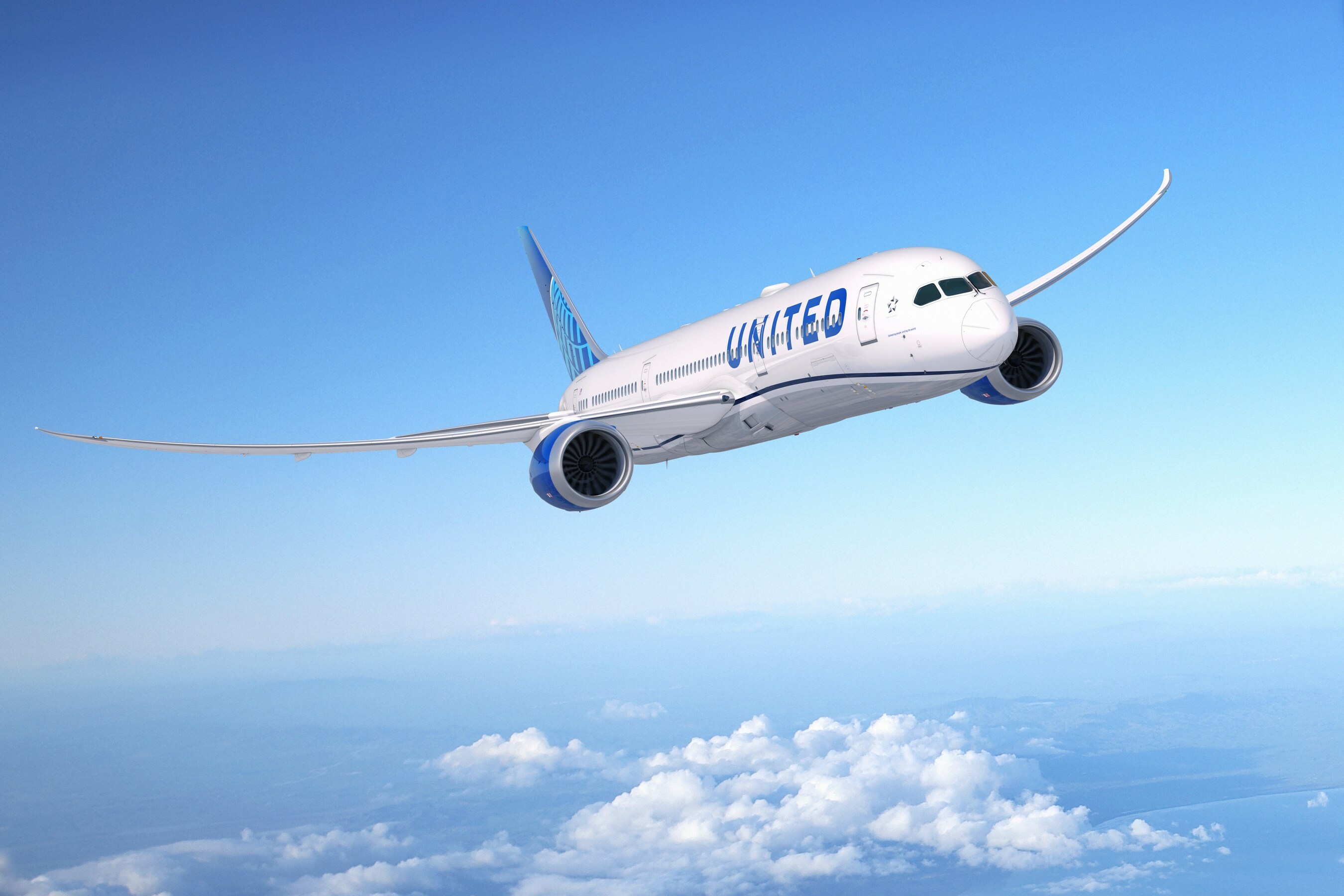
United Flight UA109 is a regular route. It connects Europe to the U.S. capital area. Most days, it uses a Boeing 787-8 Dreamliner. This plane is strong and efficient for long flights over water.
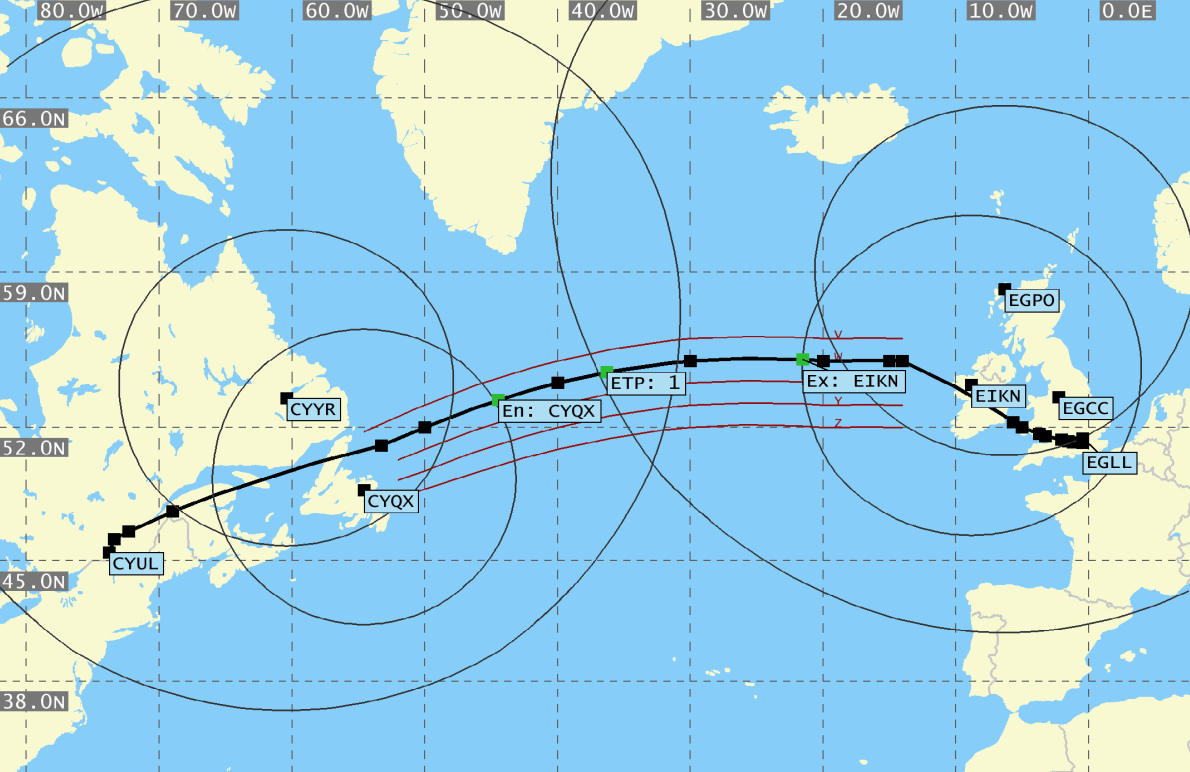
The route crosses the North Atlantic. That area has few places to land if something goes wrong. Pilots plan ahead for this. They pick special “alternate” airports before they leave. Dublin is one of them because it sits right on the path.
Flights like this happen every day. Thousands of people fly across the ocean without any trouble. But when a problem pops up, rules kick in to protect everyone.
Timeline of the United Flight UA109 Diversion
Let’s break down what happened step by step. This makes it easy to follow.
- Takeoff from Munich: The plane left at 9:00 AM local time. It climbed to cruising height and headed west over the ocean.
- The Issue Starts: About 90 minutes in, a flight attendant told the pilots about the blister pain. It was getting bad.
- Decision Time: The pilots talked with the crew and ground teams. They checked rules. The flight could not keep going with one crew member unable to help in an emergency.
- The Turnaround: The plane made a gentle U-turn over the Atlantic. It headed back toward Europe.
- Landing in Dublin: It touched down safely at Dublin Airport. Medical help was waiting.
- Quick Stop: The crew member got checked. No hospital needed. Passengers stayed on the plane.
- Back in the Air: The plane left Dublin at 4:15 PM. It landed in Washington at 6:30 PM local time—only a small delay.
You can track flights like this on sites like FlightAware. They show every move in real time.
Why Did the Crew Member’s Issue Matter So Much?
You might wonder: “A blister? Really?” But in the sky, crew health is key. Flight attendants do more than serve drinks. They handle fires, evacuations, and help sick passengers. Rules from the FAA and European agencies say you need a certain number of fit crew.
If one cannot work, the plane might break the law to keep flying. The united flight ua109 diversion followed those rules exactly. It was not about comfort. It was about staying legal and safe.
The blister caused real pain. The attendant could not stand or move well for hours. On a 9-hour flight, that was too risky. Better to stop early than push on.
Why Choose Dublin for the Diversion?
Dublin Airport was the best spot. Here’s why:
- Close Location: It was the nearest big airport when the problem started.
- ETOPS Ready: ETOPS means “Extended-range Twin-engine Operations.” It lets twin-engine planes like the 787 fly far from land. Dublin is on the list of approved stops.
- Full Services: It has long runways, medical teams, and fuel. It handles big planes easily.
- Fast Help: Airport staff met the plane right away.
Other options like airports in Iceland or Canada were farther. Dublin saved time and kept things simple.
For more on how airports work, check out Hiperdex Blog for travel stories and tips.
Understanding ETOPS: The Safety Net for Ocean Flights
ETOPS is a set of rules that changed flying. Before, only big four-engine planes crossed oceans. Now, twin-engine jets do it all the time.
Here is how ETOPS works in simple steps:
- Planning: Before takeoff, pilots pick diversion airports. They must be close enough if one engine fails.
- Time Limits: Planes get ratings like ETOPS-180. That means they can fly up to 180 minutes from a safe airport on one engine.
- Checks: Airlines test planes and train crews a lot.
- In the Air: If something happens, pilots follow a clear plan.
The united flight ua109 diversion used ETOPS perfectly. Dublin was already in the plan. No panic. Just smart flying.
ETOPS has made flights safer than ever. Twin-engine planes now fly more routes with fewer stops.
What Passengers Experienced
Passengers on UA109 stayed calm. The crew explained everything over the speakers. They said it was a short stop for a crew member’s health. No one had to leave the plane.
Many people shared stories online. One said, “The pilots were professional. We felt safe the whole time.” Another added, “It added two hours, but better safe than sorry.”
No one got sick or hurt. The plane was clean and ready to go. United even gave updates to families waiting in Washington.
United Airlines’ Quick Response
United did a great job. They:
- Talked clearly with passengers.
- Had medical teams ready in Dublin.
- Got the plane back in the air fast.
- Followed all rules.
This matches what you read in reports from Travel and Tour World. The airline put people first.
How Often Do Flights Divert?
Medical issues happen more than you think. Studies show:
- One medical event per 212 flights.
- Only 1.7% lead to a diversion.
- Most are for heart problems or strokes.
- Crew issues are rarer but serious.
In 2025, airlines handled thousands of diversions. Costs can hit $200,000 each. But safety always wins.
The united flight ua109 diversion was one of many that year. It shows the system works.
Similar Stories in Aviation
This was not the only diversion to Dublin in 2025. Delta had one the same day for a smell in the cabin. Other United flights diverted for laptops or engine checks.
These events teach lessons. Airlines now train crews better. Planes get more checks. Passengers learn to speak up early.
Lessons from the United Flight UA109 Diversion
This story reminds us of key points:
- Crew Matters: Healthy teams keep flights safe.
- Planning Saves Time: Good ETOPS plans make diversions smooth.
- Communication Helps: Clear updates reduce worry.
- Safety First: A small delay beats a big risk.
Aviation experts say events like this prove the rules work.
Tips for Passengers on Long Flights
Here are easy ways to stay safe and ready:
- Pack Smart: Bring medicine and comfortable shoes.
- Speak Up: Tell crew right away if you feel bad.
- Stay Hydrated: Drink water to avoid issues.
- Move Around: Walk every hour to help blood flow.
- Check Apps: Use flight trackers like FlightAware for updates.
These tips can make your trip better, even if something happens.
For more great advice, visit Hiperdex Blog.
The Bigger Picture in Air Travel
Flights get safer every year. New planes like the 787 are quieter and use less fuel. Crew training is top-notch. Medical help is always a call away.
The united flight ua109 diversion fits into this strong safety net. It was not a failure. It was success in action.
What Happens After a Diversion?
After landing, airlines check the crew. They fix any issues. Passengers might get meals or hotel rooms if the delay is long. In this case, it was short, so everyone kept going.
United followed U.S. and European laws. No big problems for anyone.
Why This Story Stands Out
People noticed the united flight ua109 diversion because it was a crew issue, not a passenger one. It showed how rules protect the whole plane. News sites like Glowyp explained it well.
It also highlighted Dublin’s role as a key stop for Atlantic flights.
Real Voices from the Flight
Passengers posted on social media. One wrote, “Smooth landing in Dublin. Crew was amazing.” Another said, “Glad they took care of it early.”
These stories build trust in flying.
How Technology Helps
Modern planes have great tools. They send data to ground teams. Pilots see weather and traffic. This helped UA109 turn back safely.
Apps let families track flights. That reduces stress.
The Role of Airports Like Dublin
Dublin Airport is ready for surprises. It has:
- Big runways for Dreamliners.
- Fast medical response.
- Lots of gates.
It helps many diverted flights each year.
Looking Ahead for United and Aviation
United keeps improving. They add more Dreamliners. They train crews on health checks. Future flights will be even safer.
Events like the united flight ua109 diversion help everyone learn.
Common Questions About Flight Diversions
Why not keep flying? Rules say no if crew cannot work.
Do passengers get money back? For big delays, sometimes yes. Check your ticket.
Is it scary? Not usually. Crews stay calm.
How often does this happen to United? Rarely. They fly millions of miles safely.
Why Diversions Are Rare but Important
Most flights land on time. When they don’t, it is for a good reason. The united flight ua109 diversion cost time but saved worry.
It shows airlines care about every person on board.
A Quick Look at the Plane
The Boeing 787 is special. It has big windows and fresh air. It flies high and smooth. That helped make the diversion easy.
Final Thoughts on Safety
Flying is one of the safest ways to travel. Rules, planes, and people work together. The united flight ua109 diversion is proof.
the united flight ua109 diversion was a textbook example of aviation safety at work. A small crew issue led to a smart stop in Dublin, with no harm done. It reminds us that airlines like United put your safety above schedules. Have you ever been on a diverted flight? Share your story below—we’d love to hear how it went!